
Why Singapore Is One of the World’s Most Respected Business Jurisdictions
Singapore has built a reputation as one of the most stable, efficient and business-friendly economies in the world.
For decades, entrepreneurs, investors, multinational corporations and high-net-worth individuals have used Singapore as a base for international operations, investment activities and regional expansion throughout Asia.
Today, Singapore consistently ranks among the world’s leading business destinations due to its strong legal framework, transparent regulatory environment, highly developed banking sector and international credibility.
Unlike many traditional offshore jurisdictions, Singapore is widely viewed as a premium international business center that combines commercial substance, global reputation and tax efficiency.
For entrepreneurs seeking long-term stability and international recognition, Singapore remains one of the strongest jurisdictions available.
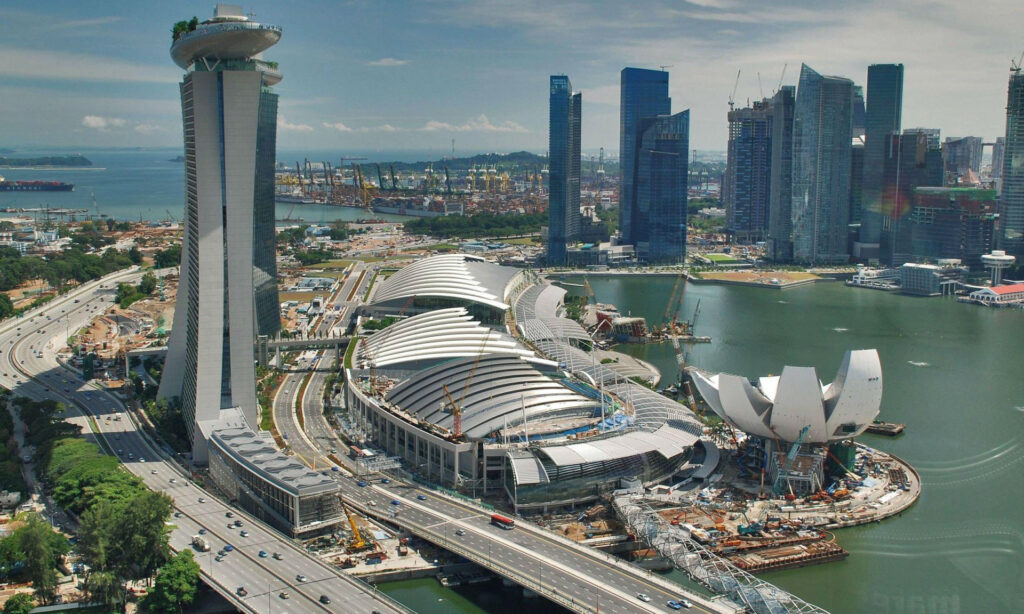
What Is Singapore Company Formation?
Singapore company formation is the process of incorporating a legal entity under Singapore law.
The most common structure is a Private Limited Company (Pte. Ltd.), which provides limited liability protection and is suitable for a wide range of business activities.
Singapore companies are commonly used for:
- International consulting businesses
- Software and SaaS companies
- Technology startups
- E-commerce businesses
- Investment holding companies
- International trading operations
- Intellectual property ownership
- Family office structures
- Regional headquarters operations
Singapore’s regulatory environment makes it suitable for both startups and established international businesses.
Why Entrepreneurs Choose Singapore
Several factors make Singapore one of the world’s most attractive business jurisdictions.
Exceptional International Reputation
Singapore companies are highly respected by banks, investors, business partners and regulators worldwide.
Political and Economic Stability
Singapore is known for predictable regulations, strong institutions and long-term economic stability.
Business-Friendly Environment
The government actively encourages entrepreneurship, innovation and foreign investment.
World-Class Banking Infrastructure
Singapore is one of the world’s most important financial centers and offers access to sophisticated banking and financial services.
Strategic Location
Singapore serves as a gateway to Southeast Asia and the broader Asia-Pacific region.
Strong Legal Framework
The legal system provides a high level of protection for investors and business owners.
Singapore and International Tax Planning
Singapore is frequently discussed in the context of international tax planning.
However, like all modern international structures, tax outcomes depend on the complete business and personal situation of the entrepreneur.
Singapore’s tax system includes several features that make it attractive for international businesses, including participation exemptions, extensive treaty networks and a generally competitive corporate tax environment.
However, tax planning should never focus solely on corporate tax rates.
A successful structure must also consider:
- Personal tax residency
- Source of income
- International reporting obligations
- Business substance
- Banking requirements
- Long-term commercial objectives
The company itself is only one part of a broader international strategy.
Singapore Holding Companies
Singapore is widely used for holding company structures.
A Singapore holding company may own:
- International subsidiaries
- Intellectual property
- Investment portfolios
- Operating businesses
- International assets
Entrepreneurs often choose Singapore because of:
- Strong legal protection
- International reputation
- Stable regulatory environment
- Efficient corporate administration
- Access to global banking
Holding structures are particularly common among business owners managing operations across multiple countries.
Singapore for Technology Companies
Singapore has become one of Asia’s leading technology hubs.
The jurisdiction is particularly attractive for:
SaaS Businesses
Software companies serving international markets.
Technology Startups
Businesses seeking investment and international scalability.
Artificial Intelligence Companies
Companies developing advanced digital solutions.
FinTech Businesses
Technology firms operating within the financial sector.
Digital Service Providers
Businesses delivering online services worldwide.
Singapore’s innovation-focused ecosystem makes it a natural choice for technology entrepreneurs.
Singapore Company Formation for E-Commerce Businesses
International e-commerce businesses frequently use Singapore companies.
Examples include:
- Amazon sellers
- Shopify businesses
- Cross-border retailers
- Digital product companies
- Subscription businesses
Entrepreneurs often value Singapore because of:
- Global credibility
- Banking accessibility
- Payment processor acceptance
- Stable legal environment
- Strong international reputation
For many online businesses, trust and credibility are just as important as tax considerations.
Singapore as a Regional Headquarters
Many international companies establish Singapore entities as regional headquarters.
The jurisdiction offers:
- Access to Asian markets
- Strong professional services
- Highly skilled workforce
- Efficient infrastructure
- International transportation links
Businesses expanding throughout Asia often use Singapore as their central operational hub.
Singapore Company Formation and Tax Residency
One of the most common mistakes entrepreneurs make is focusing entirely on the company while ignoring personal tax residency.
A Singapore company does not automatically change the owner’s personal tax position.
Successful international structures typically combine:
Company Formation
The business vehicle itself.
Tax Residency Planning
The entrepreneur’s personal tax situation.
International Tax Planning
Cross-border tax efficiency.
Asset Protection
Long-term wealth preservation.
When these components work together, the overall structure becomes significantly more effective.
Common Mistakes When Establishing a Singapore Company
Choosing Singapore for Tax Reasons Alone
Singapore’s reputation, stability and banking access are often more important than tax considerations.
Ignoring Personal Tax Residency
A foreign company does not automatically change an individual’s tax obligations.
Lack of Business Substance
Modern international tax planning increasingly focuses on genuine commercial activity.
Overlooking Long-Term Objectives
Business structures should support future growth and expansion.
Copying Generic Offshore Structures
Singapore is not a traditional offshore jurisdiction and requires a more sophisticated approach.
Singapore Company Formation and Asset Protection
Singapore companies are frequently used as part of broader asset protection strategies.
Potential advantages may include:
- Separation of personal and business assets
- Centralized ownership structures
- Succession planning opportunities
- International diversification
- Long-term wealth preservation
Asset protection planning should always be coordinated with legal and tax considerations.
Singapore Banking and Financial Infrastructure
One of Singapore’s strongest advantages is its financial ecosystem.
Entrepreneurs often choose Singapore because of:
- International banking access
- Stable financial institutions
- Sophisticated investment services
- Global payment capabilities
- Strong regulatory oversight
For many international businesses, banking quality is a decisive factor when selecting a jurisdiction.
Who Uses Singapore Companies?
Singapore structures are commonly used by:
- Technology founders
- SaaS businesses
- Consultants
- International agencies
- Investors
- Holding companies
- E-commerce businesses
- Multinational groups
- Family offices
The jurisdiction appeals to entrepreneurs who prioritize long-term stability and international credibility.
Our Singapore Company Formation Services
We assist entrepreneurs, investors and international businesses with:
- Singapore company formation
- Holding company structures
- International tax planning
- Tax residency planning
- Asset protection strategies
- Banking introductions
- Corporate restructuring
- International expansion planning
- Ongoing compliance support
Every structure is tailored to the client’s specific business activities and long-term objectives.
Is Singapore Company Formation Right for You?
Singapore is often an excellent choice for entrepreneurs seeking:
- Global credibility
- Access to Asian markets
- Premium banking infrastructure
- Stable regulations
- Long-term business growth
However, the optimal jurisdiction depends on your business model, tax residency, growth plans and operational requirements.
A comprehensive evaluation should always be performed before selecting a jurisdiction.
Start Your Singapore Company Formation Strategy
Singapore remains one of the world’s most respected and internationally recognized business jurisdictions.
Whether your goal is international expansion, technology growth, holding company planning or regional market access, a Singapore company can provide a strong foundation for long-term success.
Contact us to discuss the most suitable Singapore company formation strategy for your business and international objectives.
Frequented Asked Questions
Yes. Foreign entrepreneurs can own Singapore companies, although specific local compliance requirements apply depending on the structure.
Yes. Singapore is widely recognized as one of the world's leading international business centers with strong legal, financial and regulatory systems.
Technology companies, SaaS businesses, e-commerce operations, consultants, investors and multinational groups commonly use Singapore structures.
Yes. Singapore is frequently used for holding company structures managing international investments and subsidiaries.
No. Personal tax residency and company formation are separate issues and should be considered together as part of an international planning strategy.